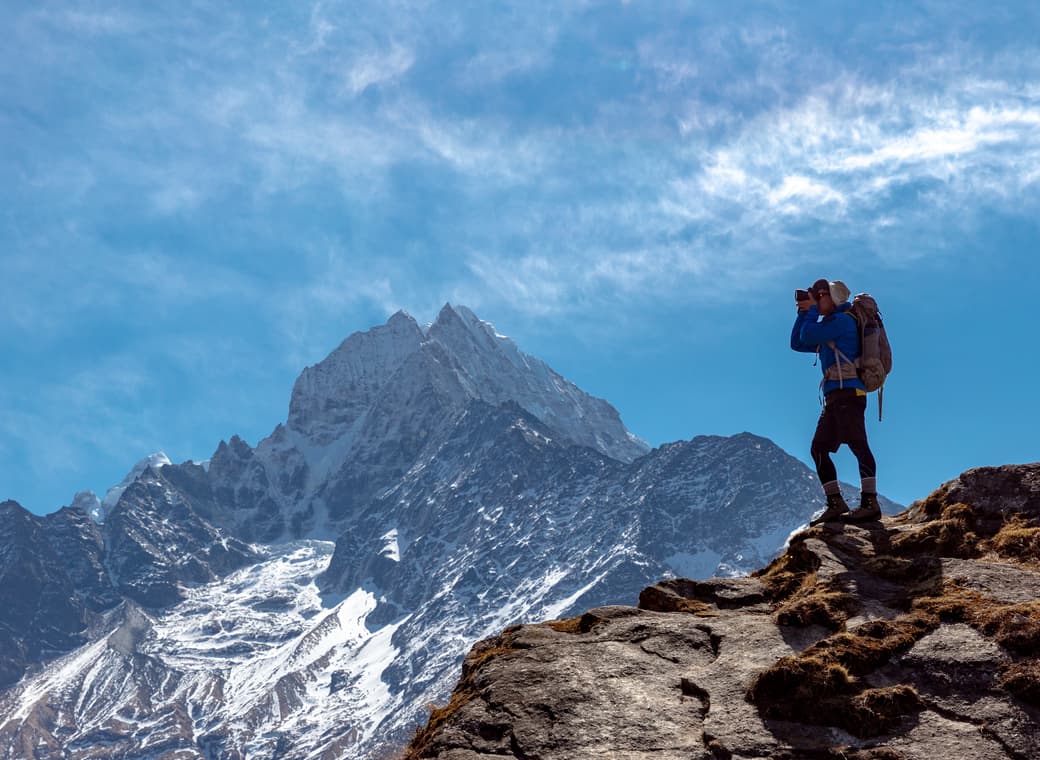

Extreme trip in The Himalayas

Embark on an unforgettable journey through the majestic Himalayas. Discover breathtaking landscapes, vibrant cultures, and the thrill of adventure.

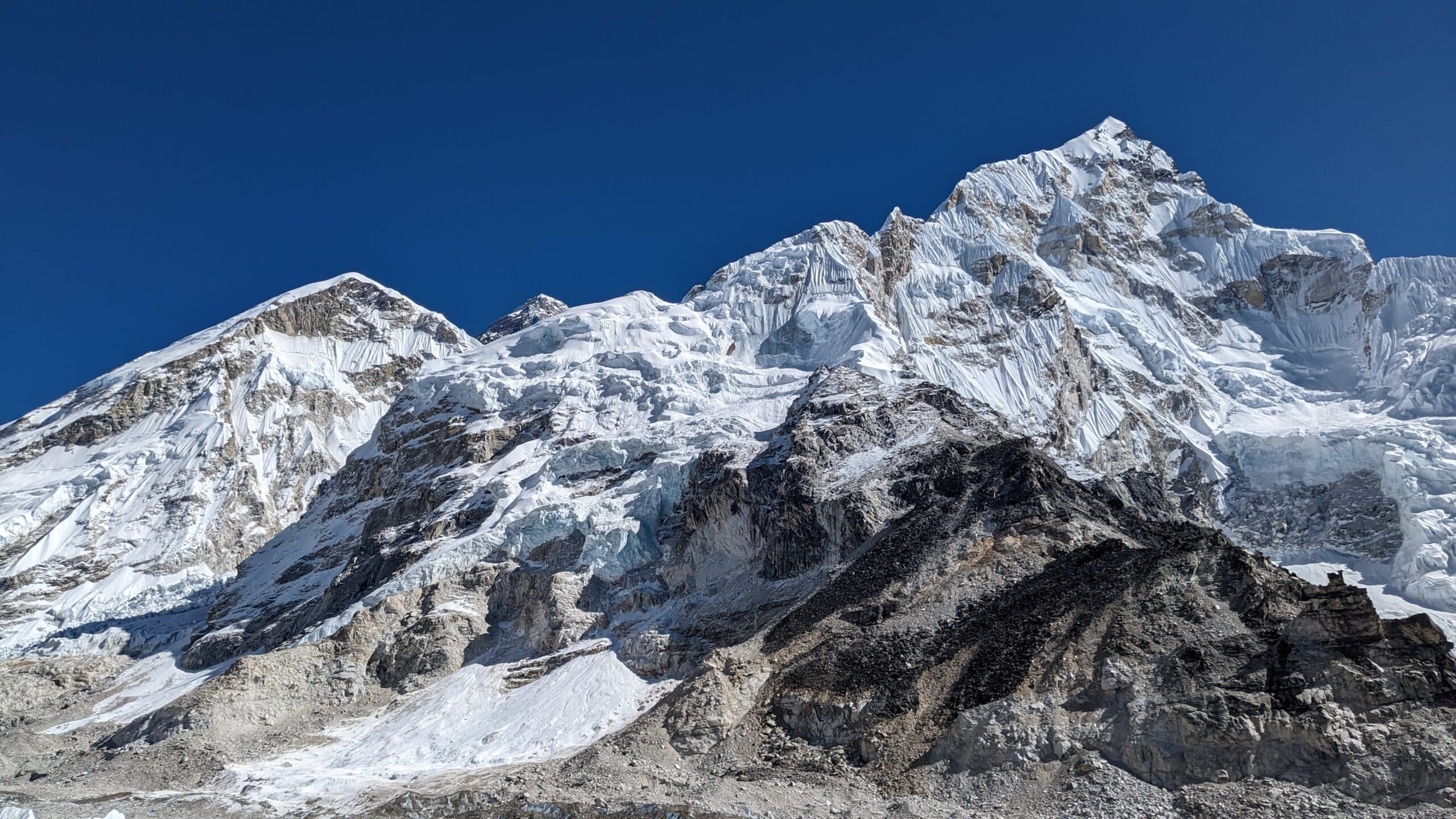
Nepal

Nepal

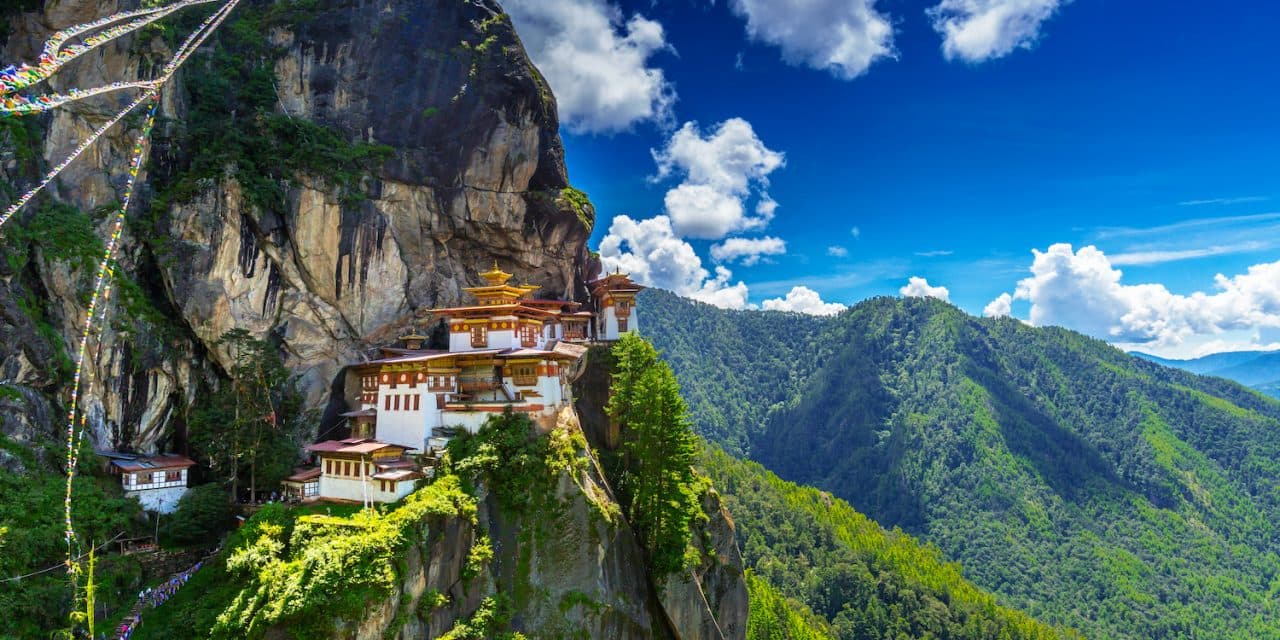
Bhutan

Bhutan

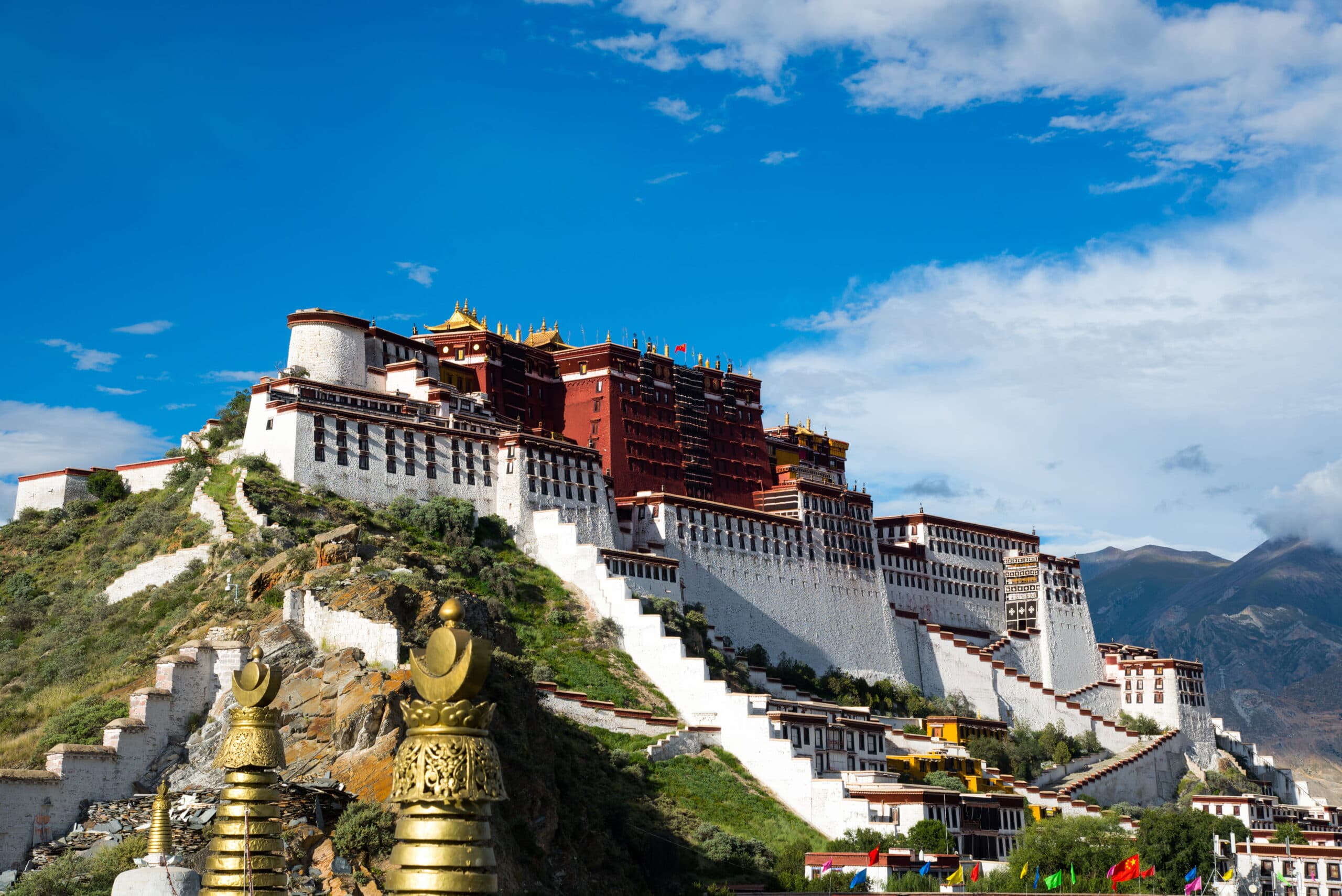
Tibet

Tibet

Why Choose Us

Thrill The Himalayas

Embark on a lifetime journey in the heart of trekking universe with TrekCentral. Surrounded by magnificent peaks, verdant forests and sparking waterfalls, the rugged charm of the Nepalese Himalayas awaits. With our expert guides to lead the way, traverse through unique landscapes and conquer the mighty mountains and hills on an adventure unlike any other....

Trusted Review

Trusted Review

Reliable and safe adventure experiences with certified guides and top-notch equipment.

Best Price Guarantee

Best Price Guarantee

Competitive pricing with no hidden costs. Get the best value for your Himalayan adventure.

Secure Payments

Secure Payments

Round-the-clock assistance for all your queries and emergency support during your trip.

24/7 Support

24/7 Support

Round-the-clock assistance for all your queries and emergency support during your trip.

TripAdvisor

Tripadvisor

Rated “Excellent” on Tripadvisor

1750+ Reviews

Updated June 2025

An absolutely breathtaking experience! The guides were knowledgeable, the landscapes were stunning, and every moment was carefully planned. This Himalayan adventure exceeded all my expectations.
SJ

Australia

SARAH JOHNSON

The attention to detail was incredible. From the moment we started planning to the final farewell, everything was seamless. The trek to Everest Base Camp was challenging but rewarding.
MC

Canada

MICHAEL CHEN

We were really happy that you had to fly into Kathmandu earlier. It was a magical experience. We really loved the tour, and wished we would’ve spent more time there.
M&

France

MARY & GEORGE

Latest Blog

Explore What's New

The benefits of using a local company for trekking in Nepal

August 22, 2023

The benefits of using a local company for trekking in Nepal

Discover the advantages of choosing a local trekking company for your Nepal adventure. With our expert knowledge of the region, support for the local economy, and emphasis on cultural immersion, you'll experience an authentic and responsible trekking experience. Start your journey with a trusted local company and create unforgettable memories in the breathtaking landscapes of Nepal. Trekking is certainly one of the most adventurous and fun activities to do in Nepal. Since Nepal is a country gifted by nature several mountains, lakes, hills, and glaciers can be found spreading throughout the country. With these beautiful god-gifted places in mind, many tourists visit Nepal every year in order to explore and learn new ideas as well as the way of life of people in the Himalayan region of Nepal. Nepal is home to 8 of the highest peaks around the world that’s more than 8000 meters, along with the highest peak in the world Mount Everest. People from all around the globe put Everest on their bucket list, because who wouldn’t want to see the top of the world from the nearest point possible? Therefore the iconic Everest Base Camp trek is one of many popular treks in Nepal that many nature enthusiasts would love to visit. Here are some benefits of using a local company for your adventure trekking in Nepal: Responsibility The first benefit of choosing a local company for trekking in Nepal is that they take responsibility for your safety and the best experience. Your obligation is to provide the documents needed from personal information, passport and visa details, insurance cards, etc. that they might ask from you. They will manage all the essentials required while trekking in Nepal from accommodation, transportation, permits, routes, gears, and many more. No need to bother about any of these factors as they will look after you and ensure the best possible experience you can get from trekking in Nepal. You just solely need to focus on keeping yourself fit and moving while enjoying the best mountainous scenery that can only be found in Nepal. Cost-effective It’s obvious that international trekking companies will charge you more money than local companies because of different factors. They hire Nepal’s destination handlers and give them the job to take care of you which does not help you in getting the best experience. Choosing a local trekking company in Nepal can be more cost-effective than an international company due to various reasons like their familiarity with the region, in-depth knowledge about the routes, etc. A local company can offer you a more affordable price without compromising the quality of your trekking experience. They can also offer you flexibility in your itinerary, allowing you to adjust your journey based on your budget and preferences. Personalized and Authentic Experience for Travellers The biggest benefit for tourists to choose a local travel company is that they can get personalized service. Choosing an international company wouldn’t be as good an idea because they don’t have enough information on Nepalese culture and traditions like local companies do. A local trekking company working in Nepal has an in-depth knowledge of the local terrain, climate, and cultural heritage of the region. In accordance with your tastes, hobbies, and level of fitness, they may tailor your trekking experience. A local business can also provide a more genuine experience by introducing you to local cultures, traditions, and communities that you might not otherwise encounter on a standard tourist route. You can customize your trips according to your taste with the local companies because they also have varieties of options even in the same standard and commercialized routes. Sustainable and Responsible Tourism Sustainable tourism means preserving the cultural and natural resources for future generations. Choosing a local company helps you recognize the importance of different world heritage sites that will stop you from knowingly or unknowingly exploiting nature. In order to protect Nepal's natural and cultural legacy, sustainable tourism is crucial. A local trekking firm has a major stake in the local population and environment, making them more likely to pursue sustainable and ethical tourist activities. By minimizing the negative effects of your trek on the environment and utilizing local guides, porters, and other staff, they can provide you with an eco-friendly trekking experience. Local companies will also brief you about what to do dos and what not to dos while visiting different tourist destinations, which will directly or indirectly help in preserving the environment. Local Guides and Knowledge Guides are the people who are trained as a guide as well as who have expertise on different trekking destinations having traveled for many years in those areas. Local trekking companies in Nepal frequently employ guides who are native to the area and have in-depth knowledge of the flora, animals, and topography there. These guides know how to traverse the trekking paths and can teach you useful things about the local culture and traditions. They can also support you in case of any medical emergencies and assist you in adjusting to the high altitude. If any problem arises while en route they have a huge number of options and links in those areas which will give you a sense of security and safety while going on different treks. Customizable Itineraries As discussed earlier local trekking companies working in the field for many years have many ideas about the same standard routes. You can tailor your schedule based on your choices, hobbies, and degree of fitness by selecting a local trekking company. You can arrange a trek that meets your requirements and expectations with the aid of a local organization. Your voyage can be customized by deciding on its length, degree of difficulty, and final destinations. A local business can also recommend alternate routes and secret trails that are less congested and more beautiful. If you like to travel to places that are new and less commercialized, local companies also have lots of solutions that will give you the best and more authentic experience. Community-Based Tourism This model focuses on the well-being of the host community that you are going to visit. There are many homestays in Nepal that are very popular for their culture and service. Before arriving at these ideal destinations the local companies brief you about the customs and the importance of local culture that will help you understand more about the local communities. A sustainable and ethical tourism strategy, community-based tourism emphasizes the involvement and advantages of local communities. To give trekkers a true taste of local life, local trekking firms in Nepal frequently collaborate with homestays, tea houses, and local communities. Selecting a local business supports the neighborhood economy and contributes to the preservation of the community's culture and history. Safety Measures Safety measures are a crucial part of travelling especially when you are wandering in the Himalayas. The experts provided by the local companies have detailed knowledge about the routes, who will give you heads up while in around national parks or animal zones that will increase your safety measures. Trekking in the Himalayas can be dangerous if you do not take the necessary safety measures. A local trekking company in Nepal can provide you with essential safety measures such as experienced guides, high-quality equipment, and emergency evacuation services. They are also aware of the local weather patterns and can adjust your itinerary accordingly, ensuring your safety. The weather is very unpredictable in the Himalayas so you always have to take the safety measures in your mind before setting off. Equipment and Gears Trekking gears are an important part of your journey. They help you get that extra push needed as well as keep you warm in high-altitude regions. You can get the top-notch supplies and gear required for a secure and enjoyable trekking adventure in Nepal from a local trekking company. They can provide you with equipment that complies with global safety requirements, such as tents, sleeping bags, trekking poles, and other items. Also, a nearby business can assist you in renting or purchasing the required tools and gear at a fair price. Local trekking companies who keep dealing with the wholesalers and retailers can get you the same gear at low prices rather than going and buying it yourselves. Many shops charge very high prices to tourists just because they are from other countries. Therefore local trekking companies can be ideal to find suitable trekking gear. Social and Environmental Impact Choosing a local business will help boost the town’s and the country’s economy. This way a small country like Nepal can get more employment that will help the community’s economy. The local guides from small remote regions get employment opportunities which have a big positive impact. In this way using a local trekking company in Nepal benefits the community and environment. You may help the local economy and advance eco-friendly tourism practices by patronizing neighborhood businesses. Also, local businesses are more likely to use local labor, lessening the environmental impact of transportation and enhancing the neighborhood. Cultural Exchange and Learning Opportunities The biggest benefit of globalization is that you can get to share your way of life with different communities throughout the world. Trekking with a local company provides many opportunities for cultural exchange and learning. You can interact with local communities, learn about their lifestyles, and gain insight into their customs and traditions. Moreover, local companies often organize cultural activities such as dance performances, cooking classes, and traditional handicraft workshops, which can enhance your cultural experience. The host communities also can learn different ways of life in another part of the world which will help them to give better service to their future guests. Trekking Permits and Regulations Permits and following standard regulations are a must while traveling to the Himalayan regions of Nepal. To ensure a safe and responsible trek, trekking in Nepal involves a number of permissions and rules that must be adhered to. You can get assistance from a local trekking company in securing the required licenses and can learn more about local laws from them. They may also provide you advice on when the best time to trek is and what preparations you need to make first. Especially if you want to travel solo it gets hard to get these permissions therefore finding a local company will be the solution to all your problems. Local Accommodation and Food Finding the best tea houses and local lodges become very hard in remote regions of Nepal. Trekkers can experience a distinctive cultural experience by staying in tea houses and homestays, which are frequently used by local trekking organizations in Nepal. These lodgings include standard amenities like spotless beds, hot showers, and regionally produced and made meals. You may enjoy genuine Nepali food and hospitality by picking a local trekking company. They can also help with finding the best tea houses at suitable prices so they don’t overcharge you while in remote regions of Nepal. Environmental Conservation A country like Nepal rich in Natural resources has to maintain appropriate sustainable practices to conserve the environment. Even the top of the world mount Everest is full of plastics and other chemical products due to bad practices and different factors. Therefore, in order to maintain the natural beauty of the Himalayas, appropriate tourism practices are needed. Local trekking businesses in Nepal frequently place an emphasis on environmental preservation by promoting green behaviors including trash management, the use of renewable energy, and aiding reforestation initiatives. You can promote environmental protection and lessen your carbon footprint by picking a local business. Social Responsibility Tourism has become much more than just traveling to different places in the last 20 years. You can leave the places that you have visited better than what you had found which is the best practice of social responsibility. Trekking in Nepal can have a positive social impact on local communities by promoting responsible tourism practices and supporting the local economy. Local trekking companies often work with local communities and provide them with employment opportunities, which can improve their standard of living. Moreover, local companies often support local education and healthcare initiatives, contributing to the social development of the region. You can also engage and support volunteer work done by local companies which will help enhance the local communities. Customer Reviews Local companies frequently try to make their services better with the previous customer’s feedback. Reading those customer reviews and testimonials can help you make an informed decision when choosing a local trekking company in Nepal. You can find reviews on popular travel websites such as TripAdvisor, TourRadar, and Lonely Planet, which can give you insights into the quality of services and customer satisfaction. Moreover, local companies often have testimonials on their websites and social media pages, which can give you a better understanding of their values and mission. Conclusion In Conclusion, choosing a local trekking company in Nepal provides you with a personalized, authentic, and sustainable trekking experience that promotes cultural exchange, environmental conservation, and social responsibility. By supporting local businesses, you are also contributing to the local economy and leaving a positive footprint on the host communities. Moreover, a local company can provide you with essential safety measures, high-quality equipment, and customized itineraries, making your trekking experience safe and comfortable. Lastly tourism is not only about traveling but exchanging local cultures, traditions, and our way of life which gives a better meaning to our very existence. Local companies can provide you with the best authentic opportunities to travel and get the best experience possible while trekking in Nepal.  

Read MoreArrow
How to prevent food poisoning in Nepal

August 22, 2023

How to prevent food poisoning in Nepal

To prevent food poisoning in Nepal, it is important to take certain precautions and follow good hygiene practices. In this blog, we are going to discuss food poisoning in Nepal and its prevention. Traveling to foreign countries, including developing nations, presents certain challenges, and one such challenge is the risk of food poisoning. It is an unfortunate concern for travelers, as consuming unfamiliar foods increases the likelihood of falling ill. However, it is essential to note that the fear of food poisoning should not deter individuals from exploring different cultures and indulging in local delicacies. Thankfully, with proper precautions, the chances of experiencing food poisoning while traveling can be significantly reduced. Nepal is renowned for its delectable and tempting cuisines, such as Chiura (beaten rice) cooked with eggs and onions, Bara (a type of pancake), Samosa, Mo: Mo: (a meat and vegetable dumpling), and noodles. Locally prepared foods are generally safer than foreign dishes since they are cooked daily and follow established cooking practices. Additionally, most Nepalese dishes are cooked at high temperatures, which helps eliminate harmful germs. Moreover, freshly cooked meals are preferred over raw or undercooked options. Nevertheless, it is crucial to acknowledge that the risk of food poisoning cannot be completely eliminated. Avoidance: To minimize the risk of food poisoning, it is best to avoid consuming any contaminated food. Raw and uncooked foods, known to carry a high probability of harboring germs, should be completely avoided. This precaution becomes even more critical when traveling with children or elderly individuals who may have weaker immune systems. Additionally, it is advisable to refrain from consuming beverages with ice, as tap water is often used in their preparation. Sanitization: Since Nepali dining customs often involve eating with hands, it is essential to maintain proper hand hygiene to avoid stomach discomfort and potential food poisoning. Carrying a hand sanitizer is a must, and hands should be sanitized before and after meals, even after washing with tap water, which may contain bacteria. It is particularly crucial to have a sanitizer on hand during long treks or while traveling in areas with limited access to clean water. Purification: Drinking tap water in Nepal without proper treatment is not advisable. When traveling to rural areas, it is recommended to use water purification tablets, fluids, or other purification methods to ensure safe drinking water. Chlorine is a reliable option for water purification, effectively eliminating harmful bacteria. Boiling water is another effective method, especially during treks. Although chlorine-treated water may not be as palatable, it is preferable to the discomfort of spending extended periods in the restroom. Piyush drops (chlorine packages) can be easily obtained in Kathmandu and Pokhara. In the unfortunate event of contracting water-borne diseases, it is crucial to stay hydrated by drinking plenty of water and using oral rehydration salts (ORS), also known as electrolytes. These can be purchased at any drug store, with brands recommended by medical institutions being preferable. Carrying a few ORS packets during your travels can aid in hydration and alleviate altitude sickness while trekking in higher altitudes. Sterilization: Sterilization is an effective measure to reduce stomach discomfort. If consuming raw food, it is ideal to sterilize it before consumption. Properly scrub the food item to remove dirt and soak it in warm water with iodine or chlorine to eliminate bacteria or viruses on its surface. Portable utensils should also be sterilized before use. Pasteurizing milk by boiling it thoroughly is essential, especially in rural areas. Quick Guidelines for food poisoning in Nepal: Below we’ll be discussing different safety measures and preventions that we can make to prevent food poisoning while traveling in Nepal. Seeking Immediate Medical Attention: Food poisoning may seem like a common problem worldwide, but it can be a serious issue when trekking in high-altitude areas. Therefore, it is crucial to seek medical assistance promptly if you experience symptoms such as nausea, vomiting, diarrhea, or fever. Treatment may involve rehydration therapy, antibiotics, or other medications. Remember to carry antibiotics for stomach-related issues when traveling to remote regions where accessing medical help can be challenging. Avoiding Raw or Undercooked Food: Just as it applies globally, it is important to avoid consuming raw foods as they can harbor harmful bacteria. While different cultures may offer tempting raw dishes, they can lead to significant health problems. Raw or undercooked food may contain pathogenic germs and viruses that cause food poisoning. Ensure that all food is fully cooked to eliminate these bacteria and reduce the risk of illness. Avoid eating raw or undercooked meat, eggs, and fish as they can also harbor dangerous bacteria like Salmonella. Ensuring Proper Cooking and Storage During Festivals: In Nepal, where festivals are celebrated with a variety of foods, proper cooking and storage practices are essential. During large gatherings and festive occasions, leftover food from previous days may be present. It is important to ensure that the food is properly cooked and fresh before consumption. To prevent the spread of foodborne illnesses, cooked food should be stored at the appropriate temperature and served promptly. Store leftover food in the refrigerator or freezer. Practicing Proper Food Handling: Proper food handling is the first step in preventing food poisoning. When purchasing food, ensure that it is from reputable sources rather than small shops. Check the manufacturing and expiry dates before buying any products. From the time of purchase to consumption, handle food with care. Ensure that food is obtained from clean and reliable sources. Thoroughly wash hands with soap and warm water before and after handling food to reduce the spread of germs and pathogens. Ensuring Proper Food Storage: Proper food storage plays a crucial role in preventing food poisoning. Foods that require refrigeration should be stored at temperatures of 4°C or lower. Use airtight containers to avoid contamination, and label the storage date to ensure timely consumption within recommended time limits. Items stored in the freezer should be kept at -18°C or lower. Maintaining Adequate Cooking Temperature: Given that traditional cooking methods involving high flames are commonly used in remote regions of Nepal, it is important to ensure the proper cooking temperature of foods. The appropriate cooking temperature is crucial for eliminating harmful germs that cause food poisoning. Meat, fish, and poultry should be cooked to a temperature of 75°C or above. Reheating leftovers to a temperature of 75°C or higher is also recommended. Maintaining Hygiene in the Kitchen: While star hotels in Kathmandu maintain good hygiene standards, as you travel to remote regions, hygiene and sanitation may become concerns. Ensure proper sanitation while traveling in remote areas and consuming food prepared by locals. Cleanliness and hygiene in the kitchen are essential to prevent food poisoning. Clean all surfaces, utensils, and tools before and after use. Use separate cutting boards for raw fish, poultry, and meat to avoid cross-contamination. Regularly replace and maintain clean kitchen sponges and dishcloths. Ensuring Water Quality: One of the leading causes of food poisoning in Nepal is drinking water directly from sources. When traveling to village areas, be cautious before drinking water straight from taps or natural sources, as it may be contaminated. It is crucial to ensure that the water is suitable for consumption. The best method to eliminate harmful germs is to boil water for at least five minutes. Water can also be filtered using water filters or treated with water purification tablets. Avoiding Street Food: While MoMo and Panipuri are popular street foods in Nepal, it is important to note that local street food vendors may not maintain proper sanitation, which can lead to food poisoning. Therefore, it is advised to stay away from street food and opt for meals from reputable restaurants instead. Street food may not be prepared hygienically and could be contaminated with harmful bacteria. Addressing Allergies and Intolerances: Another defense against food poisoning is being aware of personal food intolerances and allergies. Foods containing allergens can cause severe reactions in individuals with allergies or intolerances. Food handlers should receive training in handling food allergies and intolerances, including proper detection and labeling of allergen-containing foods. Customers with food allergies or intolerances should communicate their dietary needs to food handlers to ensure safe and appropriate food options. Washing Hands Before Eating: In Nepal, eating with hands is a common practice, and not using spoons or forks during meals is customary. Therefore, thoroughly washing hands before eating is crucial in preventing food poisoning. Hands can easily pick up harmful microorganisms from surfaces, utensils, and equipment. To prevent the transfer of harmful microorganisms to food, it is important to wash hands thoroughly with soap and warm water before eating. Seeking Medical Attention: If symptoms of food poisoning occur, it is important to seek immediate medical attention. Symptoms may include nausea, vomiting, diarrhea, abdominal cramps, and fever. Stay hydrated by drinking plenty of fluids and avoid solid foods until symptoms subside. Ignoring symptoms while engaging in treks, tours, or climbing expeditions can exacerbate health issues. Educating People: Many communities in remote regions of Nepal lack proper education about health and sanitation. It is crucial to educate host communities about safety measures and the risks of food poisoning before implementing tourism plans. The government should prioritize education before promoting tourist attractions to ensure visitors' good health and provide the best possible services. All stakeholders, from the public to the private sector, should prioritize this aspect before allowing tourists to visit these attractions. Government Rules and Regulations: Nepal currently lacks proper rules and regulations on food products, leading to wholesalers and retailers altering manufacturing dates for profit. Expired products are tampered with, changing the packaging to deceive consumers. Such cases are frequent and major causes of food poisoning in Nepal. Therefore, strict rules and regulations on food policies need to be implemented and enforced properly. This would be a significant step in preventing food poisoning in Nepal. Implementation of Food Inspections: In developed countries, food inspection officers are responsible for overseeing food safety in restaurants and malls. However, as a developing country, Nepal currently lacks these facilities. Although the city of Kathmandu has recently implemented food inspections, proper enforcement is still lacking. The Nepalese government should prioritize the establishment of food inspection facilities. Ensuring the sale and purchase of expired and contaminated foods comes to a complete halt. Conclusion: In conclusion, if you find yourself unsure of where or what to eat during your travels, it is advisable to exercise caution and refrain from eating at nearby local eateries. Negligence in this regard can disrupt your travel plans. It is recommended to visit a pharmacy or consult a local medical professional for essential vaccinations, such as hepatitis A, as foodborne diseases can be transmitted through contaminated food and water. Food poisoning requires vigilant care, particularly while traveling through rural regions of Nepal. However, it should not deter you from pursuing your travel goals. Remember, prevention is better than cure. By prioritizing your health and adhering to these precautions, you can savor Nepali cuisines and embark on memorable journeys without unnecessary worries.  

Read MoreArrow
High elevation trekking in Nepal and high altitude sickness

August 22, 2023

High elevation trekking in Nepal and high altitude sickness

High-elevation trekking is one of the most popular touristic activities in Nepal. Nepal is a nature-gifted country that is home to many of the highest peaks in the world, including Mount Everest. Every year, many trekking enthusiasts from all over the world visit Nepal in order to experience the breathtaking views of the mighty mountains spreading all over the country. A trek in the mountains is more than just spectacular landscapes and snowy mountains, but also meeting indigenous people, enjoying authentic foods, and learning new cultures and lifestyles. Nepal is a country very rich in cultural diversity and multi-ethnicity. The Sherpa, Gurung, and Tamang cultures of the Himalayas also show an image of Tibetan lifestyles that you will find in most of the regions during your trek. In this blog, we’ll discuss the most famous high-elevation treks in Nepal, the physical fitness required, high-altitude sickness, and different ways to overcome this sickness. Most famous high-elevation trekking in Nepal Nepal boasts thousands of mountains that spread all across the country in different elevations. Many places have already been discovered and commercialized by tourism entrepreneurs over the years, but many are yet to be found and yet to come to light. Even though the country is small, it offers a lot of options to climbers from all over the world. From the elite to first-time climbers, you’ll find a trek suitable just for you ranging from low to high altitudes. Let’s discuss some of the most iconic treks in Nepal. Everest Base Camp Trek This well-known Everest Base Camp Trek leads us to Kalapathhar, which is located at an elevation of 5550M (18,204 Feet), through the heart of the Himalayan region of Everest. The highest point of the hike to Everest Base Camp is Kalapathhar. You may fully immerse yourself in the wilderness on this walk and take in the stunning sights of Mount Everest at its closest. The hike follows the historic Everest trekking route that Tenzing Norgay and Edmund Hilary, the mountain's first ascentists, initially ascended. Because it leads to Mount Everest, the tallest mountain in the world, this journey is particularly well-liked by adventure seekers. Along the route, you'll get the chance to meet many other adventure seekers and charming people who will be delighted to host you. You'll get an adrenaline rush as you walk along numerous tall suspension bridges and the Dudhkoshi River's bank. One of the many delights of this journey is the stunning mountain views and distinctive landscape of the area. Annapurna Circuit Trek One of the most well-known and heavily-marketed treks in Nepal is the Annapurna Circuit Trek. Three of the most popular treks in Nepal are the Annapurna Ranges, Everest Ranges, and Kanchenjunga Base Camp treks, however, the Annapurna Circuit trip consistently tops the list. Because to the variety of its landscapes, climate, cultures, and other factors, this walk can only be described as a masterpiece. The trail ascends steadily to Thorong La Pass, which is located at 5,416 meters, from Bhulbhule, which is at 840 meters. The walk travels in a circle and takes in all of Nepal's top sights, including the country's lowlands, rolling hills, and towering mountains. Because of the area's distinctive desert-like scenery, trekkers are very familiar with the two hidden valleys of Nepal, Mustang, and Manang. We conclude our adventure at Jomsom with a toast made with the infamous Marpha wine after traversing all of these lovely valleys. Usually, it takes more than 20 days to complete the walk. Those who want to delve deep into the charm of nature can learn more about the stunning Annapurna Area on this excursion. With the help of family and friends who are physically fit, it is possible. It is not advisable to bring children under the age of 12 on this walk because the altitude is above 5000 meters. Also, you get to see how people live in Nepal's remote Himalayan region. You'll pass several lovely villages and stunning monasteries with kind and charming people as you climb up to Thorong La Pass. One of the most wonderful draws to the area is its cuisine and culture. Annapurna Base Camp Trek The exquisite and renowned trail to Annapurna Mountain is followed by one of the most popular treks in Nepal, the Annapurna Base Camp Trek. This journey is well-known among climbers because it leads to the base of the famed Mount Annapurna (8,091 meters). A couple of the features that draw a lot of climbers and trekkers each year are the expansive vistas from Poonhill View Point and the stunning feeling of seeing Mt. Annapurna up close. You arrive at Annapurna Base Camp after traveling via quaint towns, winding roads, and stunning rhododendron woods. Throughout the entire trek to ABC base camp, you'll have the best views of Mt. Annapurna, Mt. Machhapuchre (Fishtail), and many other stunning mountains. The walk is mostly appropriate for seasoned hikers in good physical condition. The last destination of the traditional Annapurna Base Camp Trek, Annapurna Base Camp is located at an elevation of 4130 meters. The walk is ideal for groups of friends and families who wish to discover the depths of nature. Also, you get to see how people live in Nepal's remote Himalayan region. As you ascend ABC, you'll pass through a number of picturesque villages populated by friendly, amazing people. One of the most wonderful draws to the area is its cuisine and culture. Langtang Valley Trekking Environmental, cultural, and historical elements abound in the Langtang Valley, providing us with a true sense of a Nepalese hamlet. The "Valley of Glaciers" is another name for the valley. At 4,700 meters, Kyanjin Gompa is the trek's highest point. Enjoy the breathtaking views of the majestic mountains, pine forests, rapid mountain streams, and craggy boulders along the way. You will learn about the old Tibetan culture and its historical significance while on this trek. The 2015 earthquake wrecked the majority of the valley, but thanks to COVID and the rising tourist numbers, the locals are making a comeback and extending you a quick and kind smile. You may take in not just the natural beauty, but also the native cuisine, fauna, birds, and butterflies. Mardi Himal Trek The Mardi Himal trek goes to the base of the exquisite Mardi Himal. This journey travels along a narrow, winding road to the Nepalese national flower, the rhododendron woodland. At a height of 3,300 meters, you will reach your goal after leaving the forest. You'll be able to take in the distinctive scenery, including breathtaking views of Mardi Himal, Machapuchre, Annapurna South, and Dhaulagiri. This tour gives you the chance to discover remote local communities, regional cuisines, and customs while taking in the stunning alpine scenery. This walk is ideal for individuals who enjoy going off in the solitude of pristine nature. Everest 3 High Passes Trek The Everest 3 High Passes Trek is one of Nepal's most unusual treks, taking us along the once-famous Everest Base Camp trekking route. Three of the most well-known passes in the area are Chola Pass (5,420m/17,782ft), Renjo La Pass (5,340m/17,520ft), and Kongma La Pass (5,535m/18,159ft), which we will reach as we make our way through a small valley and rocky terrain. Trekkers will have numerous opportunities to take in the beautiful views of Mount Everest and the other mountains in the Everest Ranges along the course of the trail. You can experience the real isolated Nepal on the trekking track, which leads you to the stunning Dudhkoshi riverbank, suspension bridges, and Sherpa towns. You'll undoubtedly sense that "The Greatest View Comes after the Toughest Climbs" as you cross each of these passes and experience those moments. All the above-mentioned treks are some of the most popular and commercialized high-altitude treks in Nepal. Other than these spectacular treks, Nepal also has many other beautiful treks to offer which are less popular and equally amazing. If you like to visit new and undiscovered paths with less disturbing crowds of tourists there are many other smaller treks and hikes rarely visited by outsiders. You can contact different tour operators working all around the country and ask them for different customized tours that fulfill your needs. For solo travelers as well, you can find many itineraries with descriptions of routes on different travel websites. You can plan your high-altitude treks accordingly and enjoy the treks to your heart’s content. Physical Fitness for high altitude trekking If you enjoy outdoor sports and have expertise in hiking, you probably already know that the Himalayan region requires strenuous physical activity. Given the low air pressure and small roadways, you might even walk nonstop for nine to ten hours on some days. You need to be physically fit to go this far in high-altitude areas. As a result, it is crucial to assess your physical state before setting out on any journey. Those with pre-existing conditions or medical conditions should consult their doctor before starting any kind of walk. Even those in good health may find high-altitude climbs physically taxing, so it's important to take your time and fully adjust before setting out. If you experience symptoms like headaches or shortness of breath, it is advisable that you take a pause and let your body adjust to the altitude. A tough adventure should be started at least three to four months before you start training. You'll be stronger and more resilient when you start the walk as a result. Any successful training regimen should include three to four times a week of consistent, difficult activity for at least an hour. This could include weightlifting to build muscle and improve overall fitness in addition to activities like jogging, cycling, or hiking. Never forget that thorough planning is essential for a fun and enjoyable hiking excursion. Therefore, take the time to visit a doctor, familiarize yourself with your surroundings, and prepare your body for the challenges that lie ahead. High Altitude Sickness High-altitude sickness is a common health concern at high altitudes and can be brought on by a number of different things. Poor physical condition is one of the main causes, as are pre-existing illnesses, insufficient acclimatization, and first-time exposure to high elevations. Altitude sickness is largely brought on by the reduced air pressure seen in high-altitude areas. As a result, it is crucial to take specific steps to avoid it. Let's talk about the signs and symptoms of altitude sickness. • Vomiting, • Nausea • Headaches • Lethargy • Dizziness • Rapid heartbeat • Lack of appetite etc. It is significant to remember that anyone, regardless of age, gender, or degree of fitness, can get altitude sickness. Altitude sickness can also manifest in various degrees, ranging from minor symptoms to serious illnesses like High Altitude Pulmonary Edema (HAPE) and High Altitude Cerebral Edema (HACE). It's important to recognize the signs of altitude sickness and to get help right away if they get worse. To relieve the symptoms and avoid further health issues, it can be necessary in some circumstances to descend to a lower altitude. Some of the greatest strategies to prevent altitude sickness and have a safe and effective high-altitude experience are proper acclimatization, water, and progressive ascent. Ways to Prevent Altitude Sickness during High Altitude Trekking Acclimatization This is the secret to solving all the significant problems that could arise from a lack of good physical fitness. If you're unfamiliar with traveling at higher elevations (more than 3,000 meters), you should go take it slow. During journeys above 5,000 meters, it is customary for hikers to take two or more rest days at various altitudes. For instance, if you're going on the EBC trip, you stay at Namche for a rest day, which is at an altitude of about 3000 meters, and then make another stop at a higher altitude, about 4000 meters above, to allow your body to fully acclimate and become accustomed to the atmospheric pressure. This is the best preventative measure for problems like altitude sickness as well as many other potential issues. Moreover, if you begin to develop signs of altitude sickness, descend to a lower altitude, take a few days off, and then try again. This will ease your travel and help your body adapt to the environment and weather. Thus, depending on the length of your activities and high elevation point, taking rest days frequently is necessary throughout any high altitude hiking and expeditions. Consuming Water When exercising, it's important for individuals to stay hydrated, especially in high altitudes where experts recommend drinking three to four liters of fluid per person each day. It is advised to avoid buying bottled water to mitigate the issue of plastic pollution. Instead, teahouses charge between 150 and 300 Nepalese rupees a liter for heated water, which is perfect for a bedtime refill. Free cold water is provided as an alternative at teahouses, although it must be treated before drinking. You need to stay hydrated since physically demanding activities cause your body to sweat a lot and release a lot of energy. It will support appropriate bodily function and provide the extra push required for high-altitude treks. First Aid Kits To prepare for potential future events, you must think ahead in one step. Particularly if you're traveling alone, bring all of the essential medications, bandages, lotions, and moisturizers with you. In high altitudes, a variety of undesirable situations could develop. As a result, you must have a first aid kit with all the necessary medications and bandages for cuts and burns. This will keep you physically fit when traveling to higher elevations and secure your safety. The answer to all of the big issues can be found in intelligence. During the time when you start developing High Altitude Sickness problems, first aid kits are what you need the most. So it is integral to take first aid kits with you during any high-altitude climbing. Conclusion In Conclusion, Nepal is a country of mountains and there are many opportunities for beginner to elite adventurers to explore this beautiful nation. But as you visit these exquisite places in the Himalayas you need to be aware of many problems that may arise in the mountains. Weather and climatic conditions are always unpredictable. But one of the major problems that trekkers have to face is High altitude sickness. So as the saying goes, “Precaution is better than cure.” You should keep yourself hydrated, do some physical exercises prior to the trek as well as acclimatize yourself while going on high-elevation treks of Nepal. It’s a simple rule to follow that will help you a lot during your journey.  

Read MoreArrow